


Living conditions for most mill workers were cramped, dark, insanitary and uncomfortable. Wages were low and many people could not afford healthy food. Drunkenness and violence were common and Infant mortality was high.
Click on the sections below to find detailed information on housing, health and diet, education and social commentators.
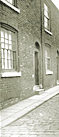 |
 For workers 'two up two down' cottages were built in rows of back-to-back terraces with outside toilets or around a central court with communal sanitation.
|
 |
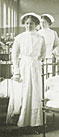 |

Inadequate sanitation, overcrowding and lack of fresh air meant disease was rife. Workers diet was mostly porridge, potatoes and bread with bacon and vegetables occasionally.
|
| ||||
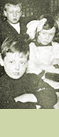 |

Children received part-time education at school or Sunday School until the 1870 Education Act when Board Schools were built. Ragged Schools were for poor children.
|
|
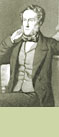 |

People were shocked by reports of the harsh squalid conditions workers endured from Medical Officers such as Dr Kay and writers like Friedrich Engels and Elizabeth Gaskel.
|
